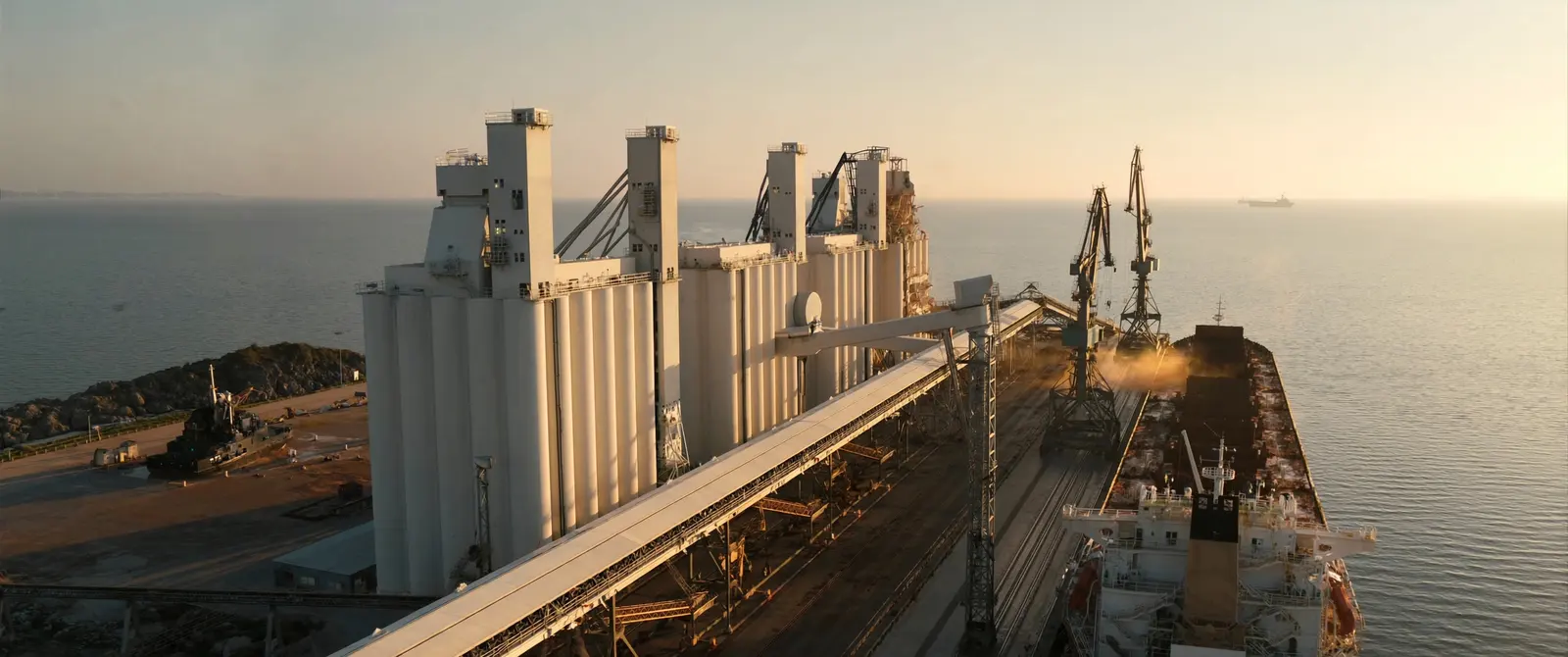
What Egypt actually sells into Russia
The trade is not symmetrical and it is not diversified. Russia buys Egyptian agricultural produce in volume and seasonal windows, and buys manufactured consumer goods in smaller, brand-led consignments. The counterflow is grain, oil, fertilisers, metals and machinery, which matters to you if you are paid in a barter or counter-purchase structure rather than in cash.
The agricultural side is driven by the Russian winter. Egyptian potatoes, onions and citrus fill the gap when Russian and Central Asian supply is out of season, so a shipment that arrives three weeks late has not arrived late - it has arrived into a different price market.
- Fresh produce: citrus (oranges, tangerines, grapefruit), potatoes, onions, strawberries, table grapes, dates and other dried fruit, herbs.
- Processed food: frozen and canned vegetables and fruit, fruit juices and concentrates, vegetable oils, molasses, confectionery ingredients.
- Light industry: cotton yarn and fabrics, home textiles, ready-made garments, footwear.
- Building finishes and household goods: ceramics and sanitaryware, tiles, furniture, glassware, plastic articles.
- Industrial and pharma: pharmaceuticals and packaging materials, auto parts and tyres, cables, hand tools.
First question: does your HS code carry a preference?
Russia's import tariff is the EAEU common tariff. Egypt has a free trade arrangement with the EAEU, but it is a list-based agreement, not blanket free access: goods qualify only if the specific HS code is in the agreed schedule and the origin rules are met. That is the first thing to establish, before you price anything, because it changes landed cost materially.
Preferential treatment is granted on the strength of a certificate of origin issued by the competent Egyptian authority, and it can be refused if the certificate does not match the invoice, the HS code or the origin criteria. Confirm the exact certificate format and issuing body with the Egyptian exporting authority and with your Russian declarant before the first shipment, not after arrival.
- Check the current tariff rate for your 10-digit EAEU code, then check whether that code sits in the preference schedule.
- Confirm origin criteria: wholly obtained versus sufficient processing, and which documents prove it.
- Do not assume a preference because a competitor uses one - rates and schedules change and must be verified at the time of shipment.
The document stack before the goods move
Russian customs does not release goods against a promise. Every regulated product group has a gate document, and the gates are checked at the border rather than after clearance. Build the stack in parallel with production, because conformity assessment takes time.
All consumer goods need EAEU conformity documentation - a declaration or, for higher-risk categories, a certificate - plus marking and Russian-language labelling applied before release for retail sale. Food needs a declaration of conformity, Russian-language labelling with the mandatory information set, and, depending on the category, state registration. Plant products need a phytosanitary certificate; products of animal origin need veterinary certification and, for some categories, prior notification to the Russian supervisory authority before the first consignment.
Pharmaceuticals, cosmetics, medical devices, encryption-capable equipment and a number of other categories carry separate registration or licensing requirements that run on their own timelines and should be scoped first.
- Commercial invoice, packing list, contract, transport document (bill of lading, CMR, air waybill).
- Certificate of origin - preferential where applicable.
- Phytosanitary certificate for plants and plant products; veterinary certificate for animal products.
- EAEU declaration or certificate of conformity; Russian-language label artwork and marking.
- Quality and residue certificates, fumigation records, cold-chain records for perishables.
- Import licences or registration documents where the product group requires them.
The order of steps, from contract to release
The sequence matters because several steps depend on each other. In practice a first shipment runs like this:
Note that the importer of record can be a Russian company you do not own - a distributor or a specialised importer - or a customs representative acting as declarant. You do not need a Russian legal entity to export to Russia, but somebody on the Russian side must carry the declaration, the duties and the 22% import VAT (standard rate since 1 January 2026), which a VAT-registered Russian importer can generally recover. If you intend to sell through your own Russian subsidiary instead, remember the 25% corporate profit tax, with 0-5% available only inside special regimes that have their own conditions.
- 1. Classify the goods and confirm tariff, preference and any licensing requirement.
- 2. Identify the importer of record or appoint a customs representative, and agree who bears duty and VAT.
- 3. Sign the foreign trade contract; if currency-control rules require registration of the contract with the servicing bank, complete it before the first payment.
- 4. Obtain Egyptian export documents: origin, phytosanitary or veterinary, quality, inspection.
- 5. Complete EAEU conformity assessment and prepare Russian labelling.
- 6. Book freight with temperature control where needed, and insure the cargo.
- 7. Declare on arrival, pay duty and VAT, obtain release, then move to the distribution channel.
Logistics: sea is the default, air is a margin decision
There is no land border between Egypt and Russia. The main artery is container and breakbulk shipping from Egyptian Mediterranean ports to Russian Black Sea ports, with transit time measured in days to roughly a couple of weeks depending on routing, feeder connections and port congestion. Suez Canal transits and seasonal congestion both move that number, so treat any schedule you are quoted as indicative and build buffer into perishable bookings.
Air freight from Cairo works for high-value, low-volume consignments - pharmaceuticals, garments on tight retail calendars, samples - but the cost per kilo makes it a margin decision rather than a default. Road and rail options via Turkey, Georgia and the Caucasus exist for certain goods, but they involve transit permits, multiple border crossings and, for some routings, a sea leg across the Black Sea, which usually erodes the cost advantage outside of specific corridors.
For perishables the cold chain is where shipments are lost: pre-cooling at origin, temperature records, port dwell time and Russian inland distribution are four separate failure points. Russian retail chains audit cold-chain documentation, and a broken record is a commercial problem before it is a customs one.
- Sea: Egyptian Mediterranean ports to Russian Black Sea ports, container and reefer.
- Air: Cairo to Moscow and other Russian hubs for urgent and high-value cargo.
- Road/rail via Turkey and the Caucasus for specific corridors, with transit permits required.
- Insurance: cover cargo and, for perishables, delay-related deterioration within the cover you buy.
Getting paid is the binding constraint, not the shipping
Payment friction is now the most common reason a first shipment stalls. Egyptian banks apply their own compliance screening and their correspondent relationships shape which currencies and routes are workable; Russian banks apply theirs. Neither is a formality, and the answer can differ between banks for the same transaction.
The practical response is to fix the currency of the contract, the payment instrument and the banks on both sides before production, and to run the structure past your bank's compliance team and an independent sanctions lawyer. Documentary instruments - letters of credit, documents against payment - reduce non-payment risk but add documentary strictness, and a discrepancy in a bill of lading can freeze a container as effectively as a compliance hold. Egypt is not among the jurisdictions Russia designates as unfriendly, which keeps the account architecture simpler than for exporters based in those countries, but bank-level policy still governs and it changes without notice.
For context on the wider settlement environment: 86% of Russian exports are now settled in rubles and currencies of friendly countries (Bank of Russia, 2025), so counterparties increasingly expect contracts that are not USD-denominated. Financing working capital in Russia is expensive - the Bank of Russia key rate stood at 14% (Bank of Russia, Sep 2026) - which affects how much inventory a distributor can carry for you.
- Agree currency, instrument and banks in the contract, not in a side email.
- Screen the transaction with both banks' compliance functions and your own counsel before shipment.
- Keep invoice, contract and transport documents perfectly consistent - discrepancies are the main cause of payment delay.
- Plan working capital for a longer cash cycle than the shipping time suggests.
Route to market, and the risks to price in
Most Egyptian exporters reach Russian shelves through a Russian importer-distributor rather than directly. That is faster and cheaper than building a legal entity, but it puts your brand in someone else's hands. Selling directly to federal retail chains is possible, particularly for own-brand programmes, but chains demand volume commitments, penalty clauses, Russian labelling and full conformity documentation, and they pay on their own terms.
The risks worth pricing explicitly: seasonal price windows that punish late arrival; currency movement between contract and payment; abrupt changes in tariff, VAT or labelling requirements that must be verified at the time of shipment rather than assumed from an earlier deal; counterfeit competition on the Russian market for recognised Egyptian brands; and the concentration of the retail channel, where a handful of buyers set terms.
One structural check if you move beyond exporting: foreigners cannot own agricultural land in Russia, only lease it, with a lease of up to 49 years, and border areas are closed to foreign land ownership. Manufacturing in Russia through a local subsidiary is a separate decision with its own approval logic, including government approval under Law 57-FZ where the activity touches a strategic sector.
- Distributor model: fast, low fixed cost, weak brand control.
- Own subsidiary in Russia: control and margin, but 25% profit tax, local compliance and payroll.
- Retail direct: volume and visibility, heavy penalties and documentation demands.
- Production in Russia: avoids import duty and logistics, but requires land lease, permits and, in strategic sectors, approval under Law 57-FZ.
FAQ
Do I need a Russian company to export from Egypt to Russia?
No. You can export to a Russian importer of record - a distributor or a specialised importer - or use a customs representative as declarant. A Russian entity only becomes necessary if you want to control the declaration, invoicing and distribution yourself.
Is Egyptian produce duty-free in Russia?
Only where the specific HS code is covered by the EAEU-Egypt free trade arrangement and origin is properly certified. It is a list-based preference, not blanket free access, and rates and schedules change, so the code must be checked with a customs adviser before you price the shipment.
How long does shipping take from Egypt to Russia?
Sea freight from Egyptian Mediterranean ports to Russian Black Sea ports runs from a few days to roughly a couple of weeks depending on routing, feeder connections and port congestion. Treat quoted schedules as indicative and add buffer for perishables.
What is the biggest cause of first-shipment failure?
In practice, payment friction and documentation inconsistencies. Bank compliance review on both sides can hold a transaction, and a mismatch between invoice, certificate of origin and transport document can stall both payment and customs release.
Can I sell directly to Russian retail chains?
Yes, but chains require volume commitments, Russian-language labelling, full EAEU conformity documentation, penalty and logistics terms, and their own payment schedules. Most exporters start with a distributor and move to direct supply once volumes justify it.
Information on this website is not an offer or an individual investment recommendation. Investing involves risk, including the loss of all invested capital. Investing via investment platforms is high-risk and may result in the loss of the entire investment. Figures are sourced from third parties and dated. Investors must comply with the laws of their jurisdiction.