The short answer: who may own Russian land
Russian land is split by category - settlements, agricultural use, industry, forest fund, water fund, specially protected areas. Your nationality matters far less than the category and the location of the plot. In most categories a foreign individual, Indian included, can hold title on the same terms as a Russian citizen.
The exceptions are set by federal law and are categorical, not negotiable. Agricultural land cannot be owned by foreign citizens, foreign legal entities, stateless persons, or by Russian companies in which foreign parties hold a controlling interest. Forest fund land is federal property and is not privatised at all - only leased. Land inside designated border territories is closed to foreign ownership outright.
- Ownership open to foreigners: settlement land, industrial land, land for commercial and residential development
- Lease only: agricultural land, forest fund land, most water fund land
- Closed to foreign ownership: border territories, specially protected natural areas, defence lands
- Buying a plot is not itself a strategic-sector transaction, but buying shares in a company that owns strategic assets requires government approval under Law 57-FZ
Agricultural land: a 49-year lease, never title
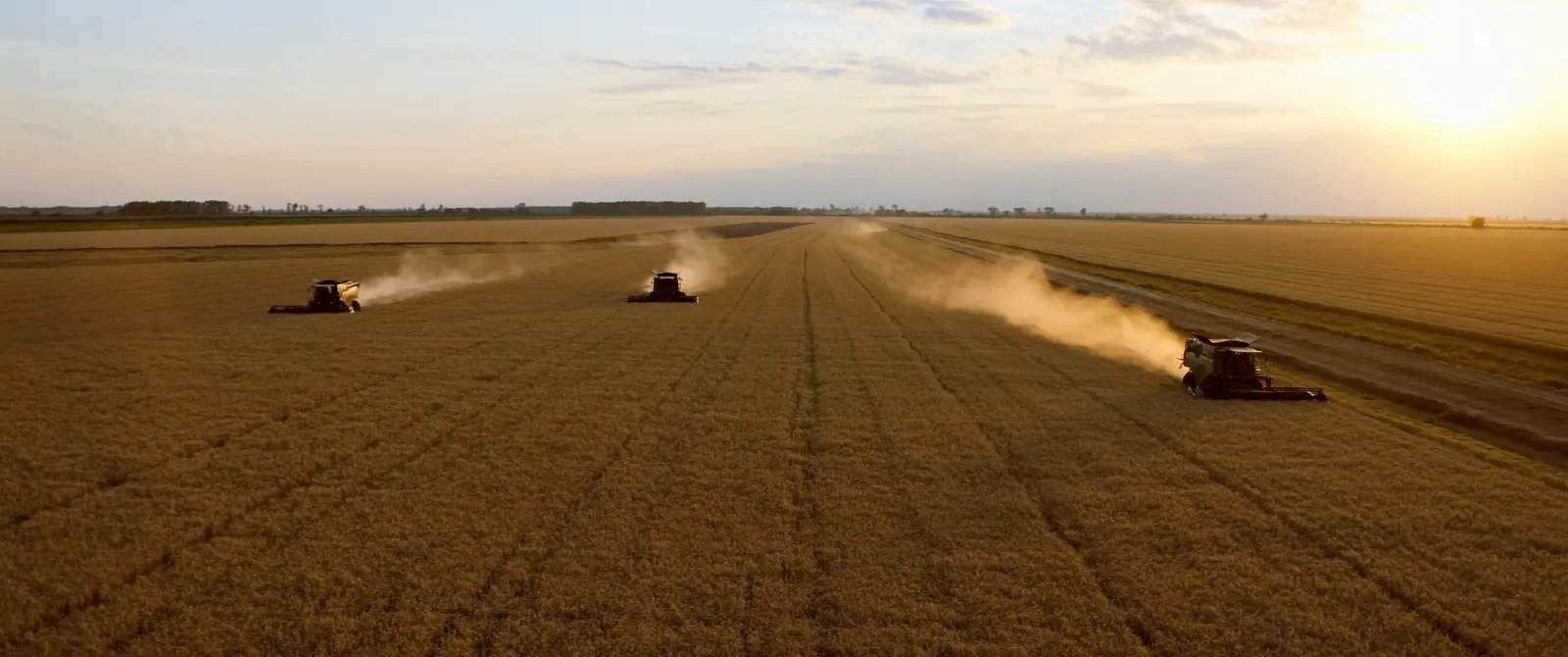
This is the single restriction that catches most foreign buyers, and the one Indians ask about most. A foreign citizen cannot own agricultural land in Russia and cannot own a share in it. The maximum permitted structure is a lease, with a term of up to 49 years.
State and municipal agricultural land is normally leased at open auction, or without auction in cases the law allows. Private owners lease their own land on negotiated terms. The lease is registered in the state register like any other property right, and the registered lease itself becomes an asset that can be transferred or pledged - usually with the owner's written consent.
The permitted use written into the cadastral record is binding. If the plot is classified for crop production, you cannot build a warehouse on it because you hold a lease. Changing the category or the permitted use is a separate administrative procedure with its own grounds and refusals.
Structures built to work around this - nominee ownership, layered corporate chains, shares rather than title - are examined by the regulator and by banks, and they carry a real risk of the transaction being unwound. If your project requires security of tenure on farmland, treat it as a lease-holding project from day one.
Where foreign ownership is closed off
The list of territories closed to foreign land ownership is maintained by the state and covers border zones and areas of special regime. In practice this affects the Black Sea resorts: Sochi, Anapa, Gelendzhik and Novorossiysk are repeatedly cited as examples of places where a foreign citizen cannot acquire land. The list is not fixed forever and should be checked against the current register for the exact plot before you sign anything.
Two further layers matter. First, specially protected natural areas and defence lands are excluded from private ownership regardless of the buyer's passport. Second, if the plot sits inside a zone with a special regime for foreigners, ownership may be refused at registration even where the seller is willing.
The practical consequence is that a foreigner can often own the building on such a plot while holding the land under it on a lease. That split - building owned, land leased - is common in Russia and is a legitimate structure, not a workaround.
The purchase, step by step
The sequence below is the general order of operations for a foreign individual buying a plot in a permitted category. Timelines vary by region and by the completeness of the seller's documents.
- 1. Identify the plot and pull the state register extract (EGRN) to confirm the owner, the land category, the permitted use, encumbrances, arrests and registered leases
- 2. Obtain a Russian tax number (INN) and open a ruble account with a Russian bank - in practice this usually requires personal presence in the country
- 3. If you will not attend in person, issue a notarised power of attorney to a representative; documents executed abroad normally need consular legalisation or apostille and a certified translation
- 4. Run due diligence: municipal land-use rules, whether the region holds a pre-emptive purchase right over the plot, access roads, utility connections and any third-party use
- 5. Sign the sale contract in writing. State registration of the transfer is mandatory; without it you are not the owner
- 6. Settle in rubles through the banking system. Cashless payments dominate Russian retail payments, 88% (Bank of Russia, 2025), and large property deals are effectively always cashless
- 7. File with Rosreestr, directly or through an MFC, pay the state duty, and receive the registered extract confirming you as the owner
- 8. From registration you become liable for annual land tax, levied by the municipality on cadastral value
If you already own a building on the plot
Owners of buildings and structures have an exclusive right to acquire the land beneath them - by purchase or by lease - from a state or municipal owner, at a price determined under the rules in force. This is one of the cleanest routes into Russian land for a foreign investor, because the entitlement follows the building you already own rather than a discretionary allocation.
The exception reappears here. If the plot under your building is classified as agricultural land, a foreign owner cannot buy it out and the outcome is a lease.
Russia applies the principle of a single object: land and the building on it are meant to travel together. If you buy a plot with a building, the building comes with it; if you buy a building, you should regularise the land right at the same time rather than leaving it unresolved, because unresolved land rights block financing and resale.
Costs, taxes and holding a plot
Land tax is paid annually by the registered owner and is set by the municipality within federal limits, calculated from cadastral value. Cadastral value is reassessed periodically, so the tax base can move independently of what you paid.
If you buy through a Russian company, corporate profit tax is 25%, with 0-5% in special regimes (Federal Tax Service, 2025), and the standard VAT rate is 22% since 1 January 2026 (Federal Tax Service, 2026). Whether VAT applies to your particular acquisition depends on the seller and the asset, and this should be confirmed with a tax adviser before signing.
For an individual, personal income tax on a later sale depends on your tax residency status and how long you held the asset. Residency rules for tax purposes are separate from visa and migration status, and a land purchase does not create residency by itself.
Budget for the running costs before you buy: land tax, security and maintenance on undeveloped plots, insurance, and the cost of maintaining a registered Russian entity if you hold through a company.
What is specific for an Indian buyer
India is not among the states whose residents face Russia's special transaction approval regime and restricted account types. In practical terms that means an Indian individual is generally treated as a friendly-country person: ordinary bank accounts, no standing requirement for government commission approval of a land purchase, no mandatory type-C account. The list of states is amended from time to time, so this must be re-checked at the moment of your transaction, and banks apply their own internal compliance on top of the law.
The direction of capital flows has moved in the same direction. 75% of foreign direct investment now comes from friendly countries, against 25% before (UNCTAD via Izvestia, 2025), and 86% of Russian exports are settled in rubles and friendly-country currencies (Bank of Russia, 2025). Ruble-channel transactions with Indian counterparties are therefore routine rather than exceptional.
Practical points Indian buyers tend to hit: comparing a Russian passport number requirement across banks, transferring funds from an Indian bank into a Russian account and the documentation banks request for the source of funds, and the timing gap between paying and getting registration confirmed.
Use independent Russian counsel for title verification, tax structuring and compliance. Nothing in this article is investment or legal advice - it is general information about how the rules are structured, and the rules change.
FAQ
Can an Indian citizen buy agricultural land in Russia?
No. Foreign citizens cannot own agricultural land in Russia or hold a share in it. The permitted structure is a lease, with a maximum term of 49 years, registered in the state register.
Can an Indian buy a house or apartment in Russia?
Yes. Foreign individuals can own residential and commercial real estate. The complication is the land under it: depending on the land category and location, you may own the plot, hold it on a lease, or be barred from owning it if it sits in a closed border territory.
Do I have to travel to Russia to complete a land purchase?
Not necessarily. A notarised power of attorney to a representative in Russia allows the transaction to be completed remotely, though documents signed abroad normally need legalisation or apostille plus translation. Opening the ruble bank account that the payment requires usually does involve personal presence.
Is a land purchase a route to Russian residency?
No. Buying property is not by itself a basis for a residence permit. Migration status and property ownership are separate tracks and should be planned separately with a qualified adviser.
Can I buy a Russian company that owns land instead of buying the plot?
It is legally possible, but the tax, regulatory and exit consequences are different from a direct purchase, the agricultural ownership ban follows foreign control of the company, and acquisitions touching strategic assets require approval under Law 57-FZ. Take independent advice before choosing a structure.
Information on this website is not an offer or an individual investment recommendation. Investing involves risk, including the loss of all invested capital. Investing via investment platforms is high-risk and may result in the loss of the entire investment. Figures are sourced from third parties and dated. Investors must comply with the laws of their jurisdiction.